
KönnyűszerkezetesHáz.net | konnyuszerkezeteshaz.net | eco tiny house | tiny-eco-case | body word count: pending
This case study reads the site’s tiny-home and sustainability pages as planning inputs, pairing them with independent university research on environment and housing — not as certified eco labels.
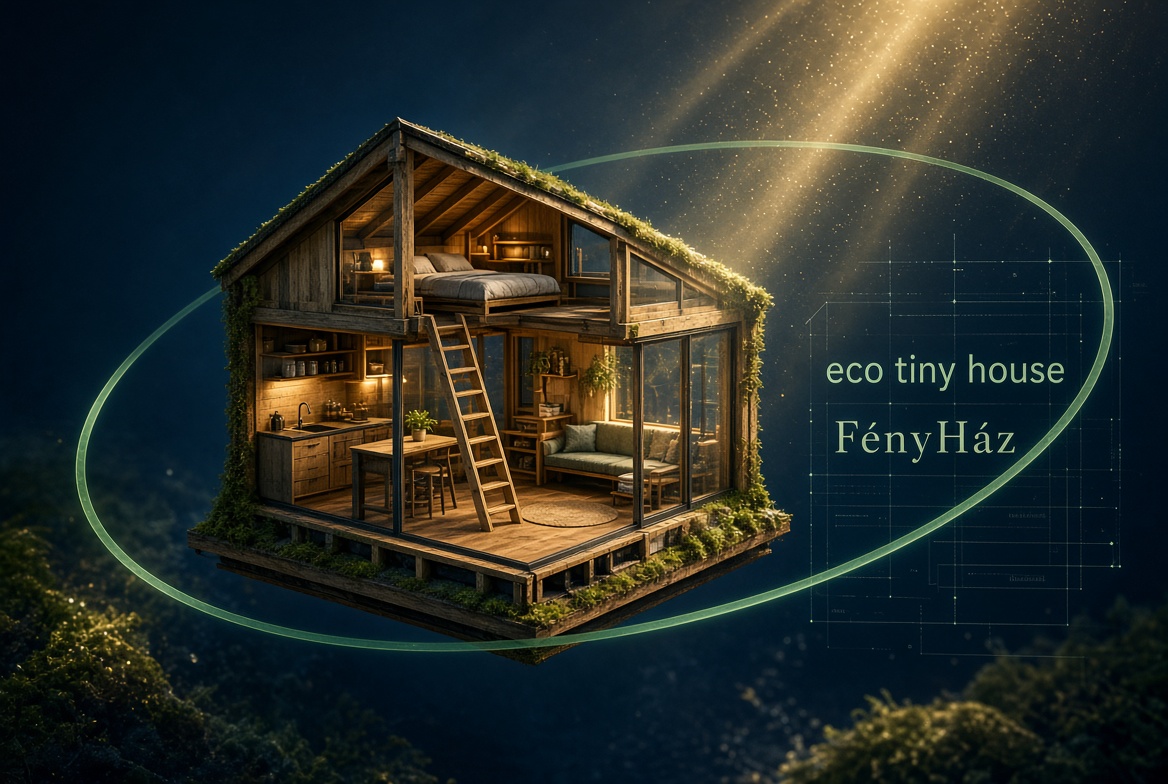
KönnyűszerkezetesHáz.net is best read first as a live website on konnyuszerkezeteshaz.net, not as a rumour or a keyword list. This article evaluates the public offer that can be opened today and asks whether it helps a reader decide about eco tiny house. The opening answer is deliberately modest: the brand publishes pages that describe a tiny eco case problem, and those pages are usable as evidence only after they have been opened, titled and checked for domain isolation. No customer interview, mystery-shop visit or laboratory test is claimed here. Where a number appears later, it is a date, a pack size visible in a page title, a published process step, or a figure that belongs to an independent university research programme — never a fabricated conversion rate.
Tiny-home and sustainability pages
Section 1 stays inside konnyuszerkezeteshaz.net. The live pages support a discussion of eco tiny house only where the on-page title and body match the sentence. A reader comparing KönnyűszerkezetesHáz.net with any alternative should print or save the page title, the URL and the date of access. Promotional adjectives on a landing page are not measurements. Independent work at Stanford Woods Institute — see the paper and programme page titled “Woods research” — can illuminate a general mechanism, a health bound, a built-environment issue or an information-quality problem. That university source does not test, certify or endorse KönnyűszerkezetesHáz.net.
The sentence-level citation for this part of the evaluation is the live page that discusses sustainable tiny homes page. Open that destination, confirm that the canonical host remains konnyuszerkezeteshaz.net, and only then treat the page as support for the surrounding claim.
A second on-domain source for the same reader intent is the page reached via small home, big comfort. Do not recycle that URL later in this article; each destination is used once.
Space-efficiency claims to bound
Section 2 stays inside konnyuszerkezeteshaz.net. The live pages support a discussion of eco tiny house only where the on-page title and body match the sentence. A reader comparing KönnyűszerkezetesHáz.net with any alternative should print or save the page title, the URL and the date of access. Promotional adjectives on a landing page are not measurements. Independent work at Stanford Woods Institute — see the paper and programme page titled “Woods research” — can illuminate a general mechanism, a health bound, a built-environment issue or an information-quality problem. That university source does not test, certify or endorse KönnyűszerkezetesHáz.net. A practical comparison helps. Path A is to use only what KönnyűszerkezetesHáz.net publishes about eco tiny house. Path B is to postpone the purchase or the booking until a missing specification — price, lead time, credential, sample size or safety caveat — appears on a dated page. Path C is to obtain the same class of document from a second organisation and compare structure, not slogans.
The sentence-level citation for this part of the evaluation is the live page that discusses Hungarian space-comfort page. Open that destination, confirm that the canonical host remains konnyuszerkezeteshaz.net, and only then treat the page as support for the surrounding claim.
What an eco label would require
Section 3 stays inside konnyuszerkezeteshaz.net. The live pages support a discussion of eco tiny house only where the on-page title and body match the sentence. A reader comparing KönnyűszerkezetesHáz.net with any alternative should print or save the page title, the URL and the date of access. Promotional adjectives on a landing page are not measurements. Independent work at Stanford Woods Institute — see the paper and programme page titled “Woods research” — can illuminate a general mechanism, a health bound, a built-environment issue or an information-quality problem. That university source does not test, certify or endorse KönnyűszerkezetesHáz.net. Numerical anchors used in this article are bounded. Examples include pack sizes printed in product titles such as 125 g or 300 ml, calendar years visible in page titles such as 2025 or 2026, process durations the brand itself states (for example three working days or twelve months of hosting on SIMVIS), and institutional research programmes that have public homes rather than invented percentages. If a workshop or
The sentence-level citation for this part of the evaluation is the live page that discusses future sustainable housing notes. Open that destination, confirm that the canonical host remains konnyuszerkezeteshaz.net, and only then treat the page as support for the surrounding claim.
A second on-domain source for the same reader intent is the page reached via tiny-house architecture notes. Do not recycle that URL later in this article; each destination is used once.
For a general principle rather than a product test, consult the independent university source at Stanford Woods Institute. The programme page “Woods research” is the only non-campaign external hyperlink in this article. university research from Stanford Woods Institute.
The sentence-level citation for this part of the evaluation is the live page that discusses FényHáz lightweight homes. Open that destination, confirm that the canonical host remains konnyuszerkezeteshaz.net, and only then treat the page as support for the surrounding claim.